Landscaping in Manchester: Is Your Garden Ready for Summer?

Landscaping Manchester: Is Your Garden Ready for Summer?

Summer is nearly here.

The lighter nights are coming. The BBQ is about to come back out. The garden furniture is getting dusted off. Family, friends, kids, dogs, drinks, food and long evenings outside are all just around the corner.

So here is the big question.

Is your garden actually ready?

Because for many homeowners across Manchester, the answer is no.

The patio is tired. The lawn is patchy. The fencing is leaning. The garden feels messy. The driveway lets the front of the house down. And every year, people say the same thing.

“This year we’ll sort the garden.”

Then summer comes. Summer goes. And nothing changes.

At Manchester Landscaping Company, we help homeowners turn tired outdoor spaces into gardens they actually want to use.

We provide professional landscaping in Manchester, including patios, porcelain paving, driveways, fencing, pergolas, lawns, garden rooms, water features and complete garden makeovers.

If you want your garden ready for summer, now is the time to start.

Your Garden Should Feel Like Part of Your Home

Your garden should not be wasted space.

It should feel like another room. It should give you somewhere to relax, entertain, eat, work, play and enjoy your home more.

A well designed garden can completely change how you live.

You can have a patio for outdoor dining. You can have a pergola for shade and structure. You can add fencing for privacy. You can create a clean lawn for the kids or pets. You can even add a garden room for work, fitness or extra living space.

Good landscaping does not just make your garden look better. It makes your full home feel better.

That is why more homeowners are investing in landscaping in Manchester.

Porcelain Paving in Manchester

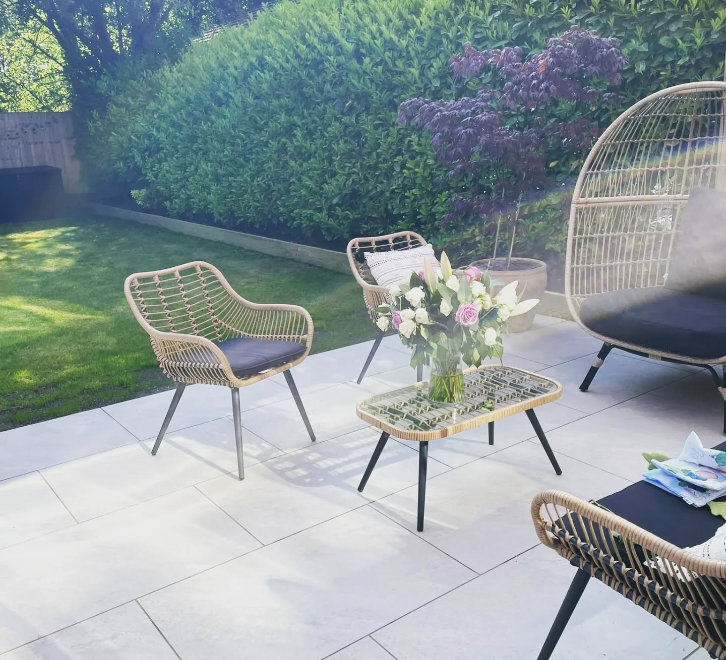
Porcelain paving is one of the most popular choices for modern gardens.

It looks clean, sharp and high end. It also works well with both modern and traditional homes.

Porcelain paving is hard wearing, low maintenance and easy to clean. That makes it perfect for busy families who want a smart garden without constant upkeep.

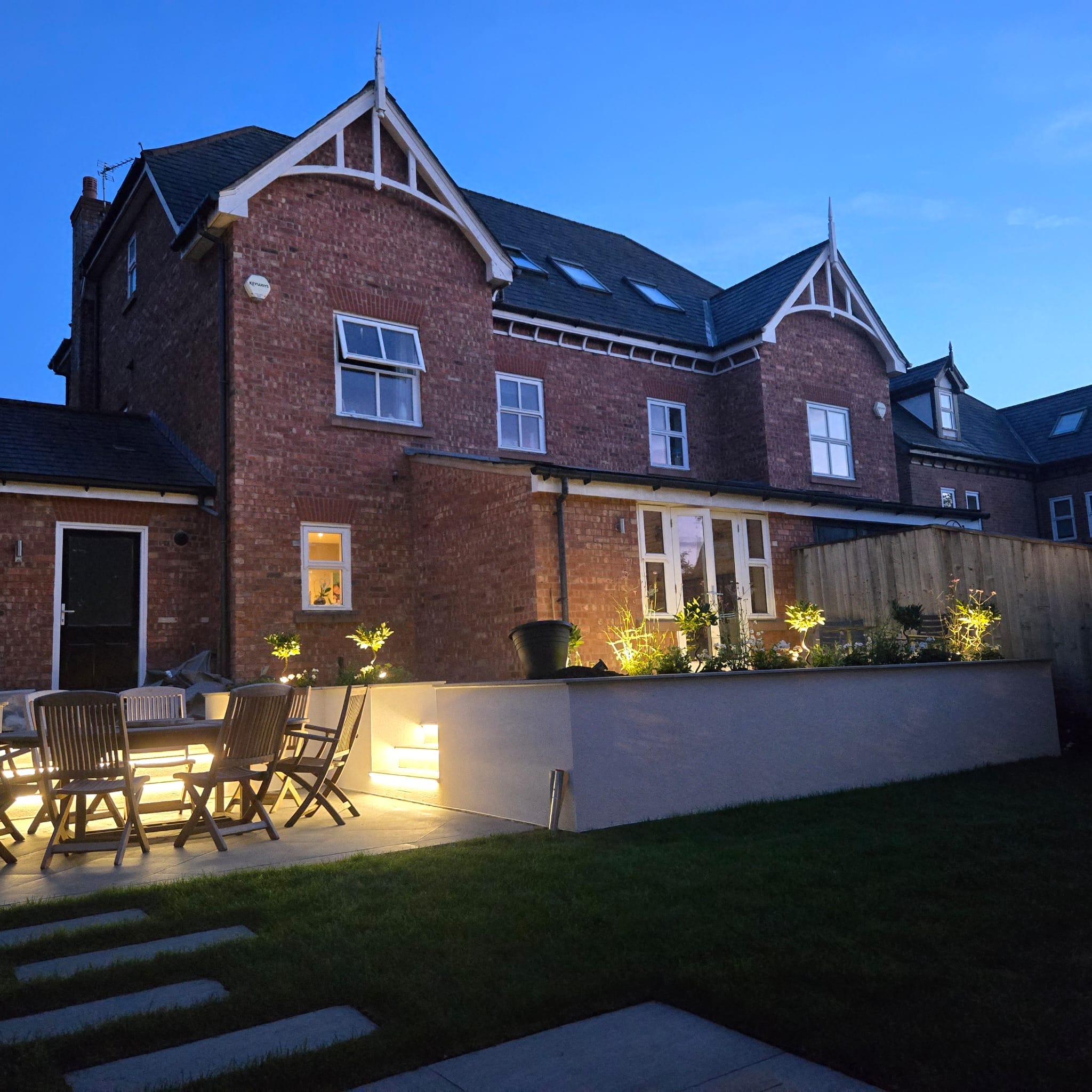
A new porcelain patio can create the perfect space for BBQs, garden furniture, outdoor dining and summer evenings.

It also gives your garden a premium finish that looks great all year round.

If you are looking for porcelain paving in Manchester, Manchester Landscaping Company can help you choose the right colour, style and layout for your home.

Patios Built for Real Life

A patio is often the heart of the garden.

It is where you sit. It is where you eat. It is where friends gather. It is where the BBQ goes. It is where summer actually happens.

However, a good patio is not just about laying slabs.

The ground needs proper preparation. Drainage needs to be right. The levels need to work. The materials need to suit the house. The finish needs to last.

Manchester Landscaping Company installs patios across Manchester using quality materials such as porcelain paving, sandstone, limestone and other popular paving options.

A well built patio can turn an unused garden into one of the best spaces in your home.

Driveways That Make Your Home Look Smarter

Your driveway is one of the first things people see.

If it looks cracked, stained, uneven or messy, it can make the whole property feel tired.

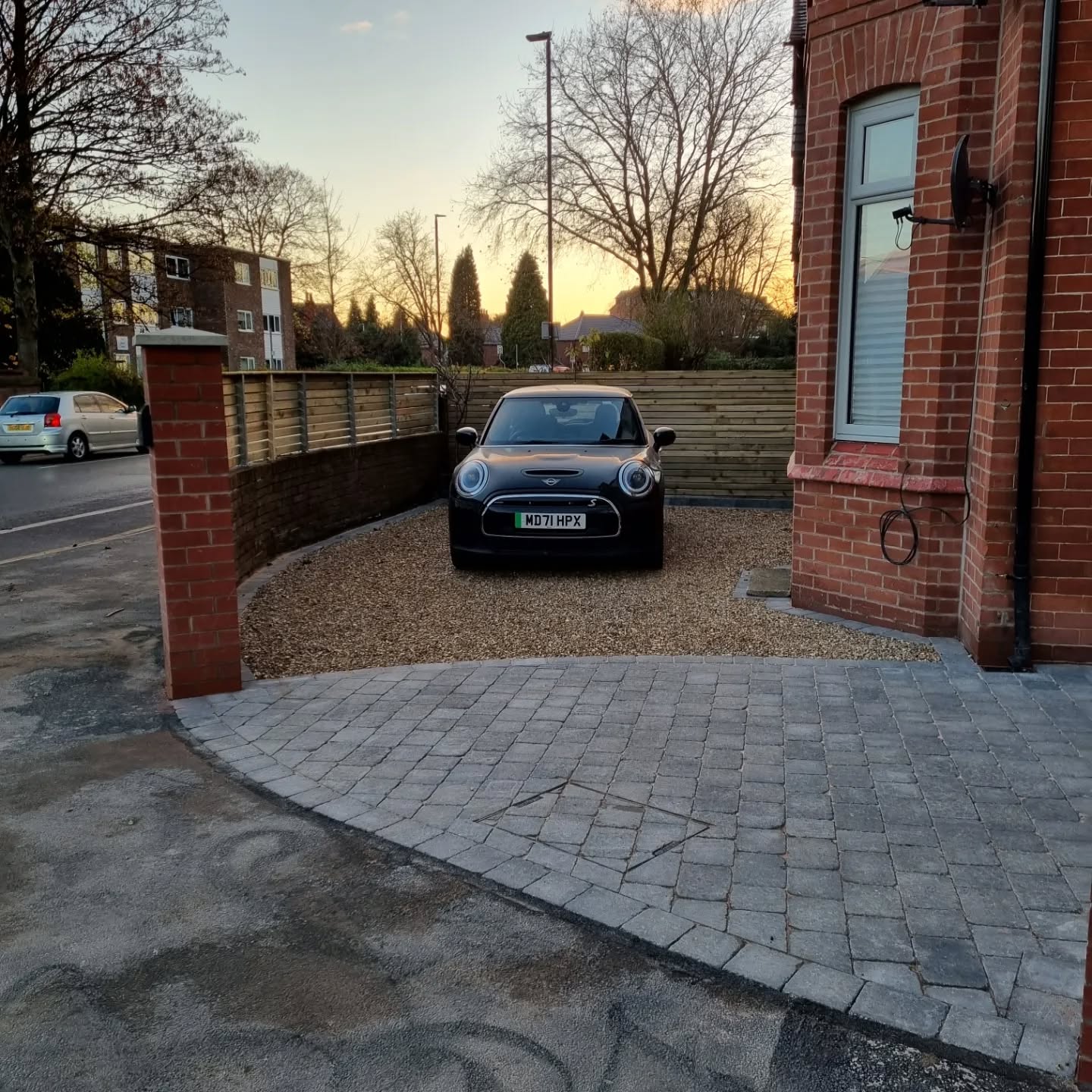
A new driveway can transform the front of your home. It can improve kerb appeal, create better parking and make the property feel cleaner and more valuable.

We install driveways in Manchester for homeowners who want a practical and professional finish.

Whether you need more parking space, better drainage or a complete front garden redesign, a new driveway can make a huge difference.

If you are planning landscaping in Manchester, do not forget the front of the property.

Pergolas and Outdoor Living Areas

Pergolas have become a major garden trend.

And it is easy to see why.

A pergola adds height, structure and style. It can create a clear seating area, dining space, hot tub area or outdoor kitchen zone.

Add lighting, climbing plants, furniture or outdoor heating, and you can create a garden space that feels special.

For many homeowners, a pergola turns a normal patio into a proper outdoor living area.

It also helps the garden feel designed, not just decorated.

Fencing for Privacy, Security and Style

Old fencing can ruin the look of a garden.

Even if the patio is nice and the lawn is clean, damaged fencing can make the whole space feel unfinished.

New fencing gives your garden privacy, security and a clean boundary. It also helps frame the full design.

Manchester Landscaping Company can install fencing as part of a wider garden makeover.

This works well alongside patios, lawns, raised beds, steps, pergolas and garden rooms.

If you want your garden to feel more private, fencing is a smart place to start.

Garden Rooms in Manchester

Garden rooms are no longer just a luxury idea.

They are now one of the most practical ways to add space to your home.

A garden room can become a home office, gym, bar, studio, salon, games room or quiet retreat.

For many homeowners, it is cheaper and easier than moving house. It can also make much better use of the garden.

However, a garden room looks best when the landscaping around it is finished properly.

Imagine walking from your house across a porcelain patio, through a clean landscaped garden and into your own private office or garden bar.

That is outdoor living done properly.

Lawns, Artificial Grass and Low Maintenance Gardens

Not every garden needs to be high maintenance.

Some homeowners want natural grass. Others want artificial grass. Many want a mix of paving, planting and low maintenance areas.

The right choice depends on how you use your garden.

Do you have children?

Do you have dogs?

Do you want less maintenance?

Do you enjoy gardening?

Do you want a clean space for entertaining?

Manchester Landscaping Company can help you design a garden that suits your lifestyle, not just a garden that looks good in a photo.

Ponds, Pools and Water Features

Water can add a real wow factor to your garden.

A pond can bring calm, wildlife and character. A water feature can create a luxury feel. A pool or spa area can turn your garden into a private retreat.

These features need careful planning.

The layout matters. The drainage matters. The paving matters. Safety also matters.

When water features are designed properly, they can become one of the most impressive parts of your garden.

They work especially well with porcelain paving, lighting, planting and outdoor seating areas.

Full Garden Landscaping in Manchester

Some gardens need more than one new feature.

They need a full plan.

A full landscaping project can include removing the old garden, changing the layout, building a patio, installing fencing, improving drainage, adding a lawn, creating steps, building retaining walls and adding planting areas.

This gives you the chance to design your garden around how you actually live.

Do you want a low maintenance garden?

Do you need space for children or pets?

Would you like a better area for entertaining?

Do you need more privacy?

Do you want your garden to work better all year round?

These questions matter.

Good landscaping is not just about making a garden look nice. It is about making the space useful, practical and enjoyable.

Why Manchester Homeowners Are Upgrading Their Gardens

More people are spending money on their homes.

But many forget the garden.

That is a mistake.

Your garden can add lifestyle value every single week. It can also improve the look and feel of the whole property.

A tired garden can make your home feel smaller. A well designed garden can make it feel bigger.

A poor driveway can damage first impressions. A new driveway can improve kerb appeal straight away.

An unused garden can feel like a burden. A landscaped garden can become your favourite part of the house.

That is why landscaping in Manchester is becoming more popular with homeowners who want better outdoor living.

Why Choose Manchester Landscaping Company?

Choosing the right landscaping company matters.

A garden may look simple when finished. However, the work underneath is what makes it last.

The base needs to be right. The drainage needs to be planned. The levels need to work. The materials need to be installed correctly.

Manchester Landscaping Company focuses on proper preparation, quality workmanship and a finish that stands the test of time.

We help homeowners across Manchester create gardens, patios, driveways and outdoor spaces that look great and work properly.

Our services include:

  1. Garden landscaping in Manchester
  2. Porcelain paving
  3. Patios
  4. Driveways
  5. Fencing
  6. Pergolas
  7. Lawns and artificial grass
  8. Garden rooms
  9. Ponds and water features
  10. Full garden transformations

Is Your Garden Ready for Summer?

Summer is nearly here.

You can spend another year looking at the same tired garden.

Or you can finally create the outdoor space you have been talking about.

A new patio can give you somewhere to sit. Porcelain paving can give your garden a premium finish. A pergola can create a proper outdoor living area. Fencing can give you privacy. A garden room can give you extra space. A full landscaping project can transform the way you use your home.

If you want professional landscaping in Manchester, now is the time to start planning.

Contact Manchester Landscaping Company

Ready to get your garden ready for summer?

Contact Manchester Landscaping Company today to arrange a free quote.

We provide landscaping, patios, driveways, porcelain paving, fencing, pergolas, lawns, garden rooms and full garden makeovers across Manchester.
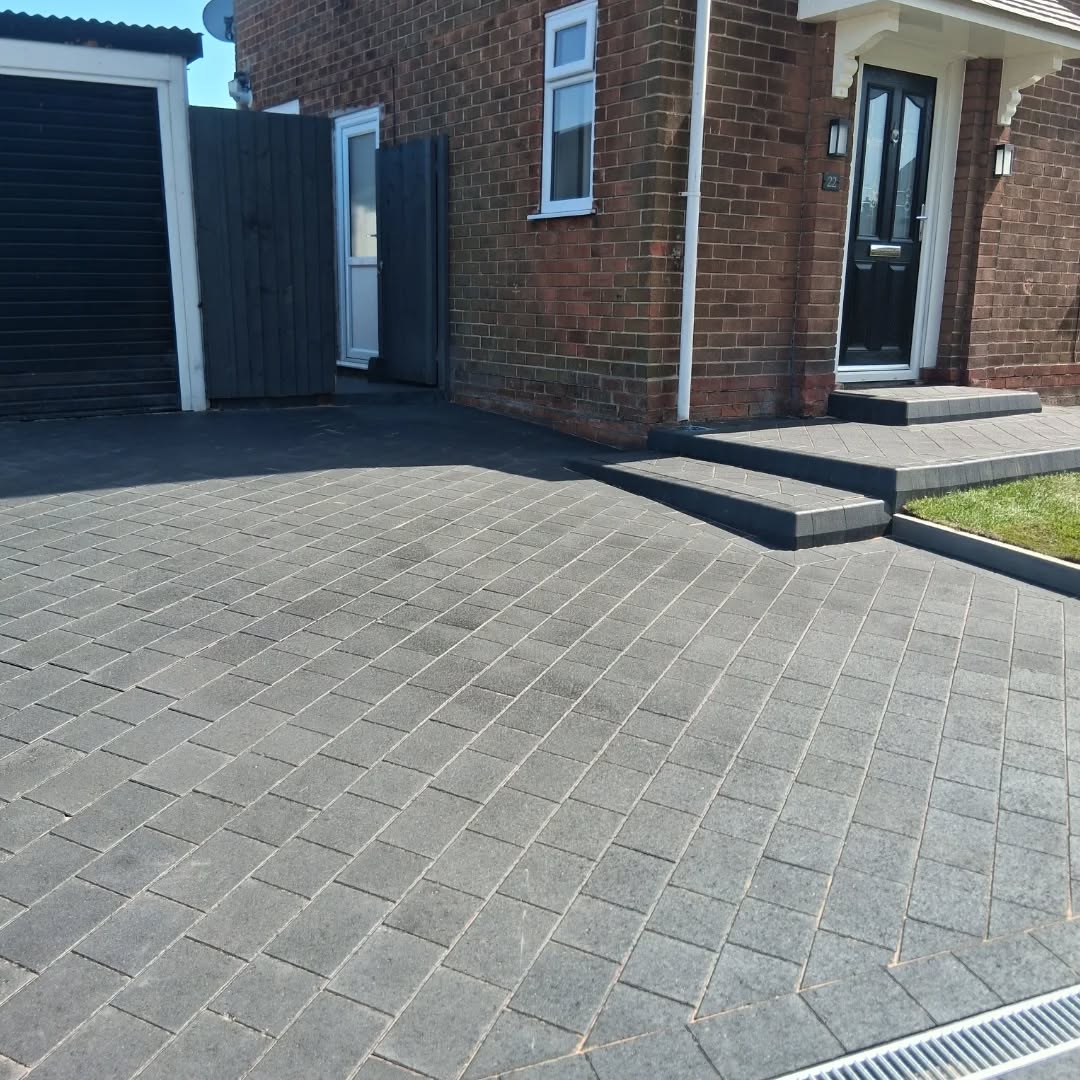
Driveway Installation Timeline: From Start to Finish

A new driveway is a significant investment, not just in how a property looks, but in how it functions every day. One of the most common questions homeowners ask before committing to work is how long the process will take and what actually happens at each stage.

From experience delivering driveway projects across Greater Manchester, delays and frustrations usually arise when expectations are unclear. A well-managed driveway installation follows a clear sequence, with each stage building on the last. Understanding this timeline helps homeowners plan realistically and appreciate why certain steps cannot be rushed.

Initial Assessment and Site Survey

Every successful driveway installation begins before any machinery arrives on site. The initial survey is where problems are prevented rather than fixed later.

At this stage, levels are measured, drainage routes are assessed, and ground conditions are evaluated. The existing driveway or garden area is examined for signs of poor soil, standing water, or previous structural issues. Access for machinery and waste removal is also considered, particularly important for terraced or tightly spaced properties.

This assessment informs the design, material choice, and construction method. Skipping or rushing this stage often leads to delays once work begins.

Design Finalisation and Scheduling

Once the site is understood, the driveway design is finalised. This includes layout, materials, edging details, drainage solutions, and how the driveway connects to the property and pavement.

At this point, a realistic programme of works is agreed. Weather conditions, curing times, and access requirements are factored into the schedule. A professional installer will always allow contingency for poor weather, as certain stages cannot proceed safely in heavy rain or freezing conditions.

Clear scheduling at this stage sets expectations and keeps the project organised.

Excavation and Removal of Existing Surfaces

The first physical stage of installation is excavation. Existing surfaces are broken out and removed, along with unsuitable ground beneath. The depth of excavation depends on the driveway type, soil conditions, and expected load.

This stage is noisy and disruptive, but it is critical. Insufficient excavation is one of the most common causes of driveway failure. Removing waste material properly also ensures the new driveway is built on stable ground rather than compromised layers.

For most residential driveways, this stage typically takes one to two days.

Sub-Base Installation and Compaction

Once excavation is complete, the sub-base is installed. This is the structural foundation of the driveway and determines how well it performs over time.

A high-quality sub-base is laid in layers and compacted thoroughly. This process prevents future movement, sinking, and cracking. In areas with poor drainage or clay soil, additional measures may be introduced to manage water effectively.

Although this stage is not visible once the driveway is complete, it is the most important part of the entire timeline. Rushing here almost always leads to long-term problems.

Drainage and Edging Installation

With the sub-base in place, drainage and edging are installed. Drainage ensures surface water is directed away from buildings and does not pool on the driveway.

Edging provides structural restraint, preventing materials from spreading or shifting under use. It also defines the driveway visually and creates clean transitions to paths, borders, or lawns.

Completing these elements before the surface layer ensures accuracy and durability.

Surface Installation

The surface layer is where the driveway begins to take shape visually. The method and timing depend on the chosen material.

Block paving is laid carefully, cut precisely, and compacted once installed. Resin-bound systems require controlled conditions and careful mixing. Pattern imprinted concrete involves pouring, texturing, and curing over a set timeframe.

This stage can take one to three days depending on complexity, weather, and material choice. Attention to detail here affects both appearance and longevity.

Curing, Sealing, and Finishing Touches

Most driveway surfaces require a curing period before they can be used. This allows materials to set properly and achieve full strength.

Some surfaces also require sealing, which enhances durability and protects against staining and weathering. Final checks are carried out to ensure levels, drainage, and edges perform as intended.

Homeowners are advised on aftercare, including when vehicles can return to the driveway and how to maintain the surface long term.

A Professional Driveway Installation in Manchester

The Manchester Landscaping plan the projects carefully from the initial survey through to completion. Ground conditions, drainage requirements, and material performance in Manchester’s climate are considered at every stage. This approach ensures timelines are realistic and outcomes are consistent.

Clear communication throughout the process helps homeowners understand what is happening and why, reducing stress and uncertainty.

Why the Process Matters

A driveway installation is only as good as the process behind it. Each stage, from excavation to finishing, plays a specific role in the driveway’s long-term performance.

Understanding the timeline helps homeowners appreciate why quality work takes time and why shortcuts rarely pay off. With proper planning, skilled installation, and realistic expectations, a new driveway can be delivered efficiently and built to last.

If you are considering a new driveway, working with an experienced professional ensures the project is managed properly from start to finish, with no critical steps overlooked.

Is Pattern Imprinted Concrete Right for Your Driveway or Patio?

Pattern imprinted concrete has become a familiar feature in driveways, patios, and pathways across the UK. It is often chosen for its clean appearance and solid feel underfoot, but its real value lies in how it performs over time when properly designed and installed.

As a landscaping professional, I have seen pattern imprinted concrete succeed brilliantly in the right setting and fail prematurely when poorly specified or rushed through installation. Understanding what it is, how it works, and where it performs best is essential before deciding whether it is the right solution for your home.

What Is Pattern Imprinted Concrete

Pattern imprinted concrete is a continuous concrete surface that is poured, coloured, and textured while still wet. Specially designed moulds are pressed into the surface to replicate the appearance of materials such as block paving, natural stone, slate, or cobbles.

Once the concrete has cured, the surface is sealed to protect it from moisture, staining, and wear. The finished result is a single, solid slab with a decorative surface rather than individual units.

This construction method is what sets pattern imprinted concrete apart from traditional paving systems and explains both its strengths and its limitations.

How Pattern Imprinted Concrete Is Installed

Installation begins with proper ground preparation. The existing ground is excavated and a stable sub-base is installed and compacted. This stage is critical. Most failures occur because this step is rushed or underbuilt.

Concrete is then poured to a consistent depth, levelled carefully, and coloured using a surface hardener or integral pigment. Once the concrete reaches the correct curing stage, pattern mats are pressed into the surface to create texture and joint lines.

After curing, the surface is thoroughly cleaned and sealed. The sealant enhances colour, adds surface protection, and reduces water penetration.

Each stage depends on timing, weather conditions, and experience. This is why pattern imprinted concrete is not a material that forgives poor workmanship.

The Structural Benefits of Pattern Imprinted Concrete

One of the main advantages of pattern imprinted concrete is its strength. Because it forms a single slab, there are no individual joints that can loosen or shift under load.

This makes it particularly suitable for driveways that experience regular vehicle traffic. When installed correctly, the surface distributes weight evenly and resists movement caused by freeze-thaw cycles, which are common in the UK climate.

The absence of joints also reduces weed growth, a common frustration with block paving and gravel surfaces.

Low Maintenance in Practical Terms

Pattern imprinted concrete is often described as low maintenance, but this needs to be understood properly.

There are no joints to re-sand and no loose units to realign. Routine maintenance typically involves occasional cleaning and resealing every few years to maintain colour and surface protection.

However, neglecting resealing can shorten the lifespan of the surface. UV exposure, moisture, and traffic gradually wear down the sealant. Regular care is what keeps pattern imprinted concrete looking consistent and prevents surface deterioration.

Visual Consistency and Design Control

One of the reasons homeowners choose pattern imprinted concrete is the level of visual control it offers. Colour, texture, and layout are decided before installation, resulting in a uniform finish that does not shift or change over time.

This consistency works well in contemporary landscapes and on properties where clean lines and uninterrupted surfaces are preferred. It can also complement traditional homes when patterns and colours are chosen with restraint.

The key is subtlety. Overly bold patterns or strong colours tend to date quickly, whereas neutral tones and simple textures age far more gracefully.

Drainage and Surface Water Considerations

Pattern imprinted concrete is an impermeable surface. This means water does not pass through it naturally like permeable paving or gravel systems.

Proper drainage design is therefore essential. Falls must be built into the surface to direct water away from buildings and towards suitable drainage points. In some cases, additional drainage channels are required to comply with regulations and prevent surface water issues.

This is an area where professional planning is essential, particularly for driveways and front gardens.

Where Pattern Imprinted Concrete Works Best

Pattern imprinted concrete performs best in areas where stability and uniformity are priorities.

Driveways, patios, and access paths benefit from its solid construction and clean finish. It is particularly effective where weed control, load-bearing capacity, and ease of cleaning are important.

It is less suitable for areas that may require future access beneath the surface, as repairs involve cutting and reinstating concrete rather than lifting individual units.

Understanding these limitations is just as important as appreciating the benefits.

The Manchester Landscaping Company Approach

At The Manchester Landscaping, pattern imprinted concrete is approached as an engineered surface rather than a decorative shortcut.

Every project begins with ground assessment, drainage planning, and honest discussion about suitability. If a site or usage pattern is better served by another material, that advice is given upfront.

When pattern imprinted concrete is the right choice, attention is placed on preparation, reinforcement, curing times, and sealing schedules. These details determine whether the surface lasts decades or develops problems prematurely.

If you are considering pattern imprinted concrete for your driveway or garden, expert advice at the planning stage will ensure the finished result looks right, drains correctly, and stands the test of time. Contact us today for a site visit!

Choosing the Best Driveway & Landscaping Company in Manchester

Choosing the Best Driveway & Landscaping Company in Manchester (And What to Watch Out For)

Choosing a driveway and landscaping company isn’t just about getting a “nice finish”. Done properly, your driveway and garden can add kerb appeal, make your home more practical, improve drainage, reduce maintenance, and increase the value of the property.

Done badly? You’ll be dealing with sinking paving, puddles, cracking edges, messy pointing, poor drainage, weeds coming through within months, and the awkward reality of having to pay twice to get it fixed.

If you’re looking for a driveway company in Manchester or a landscaping company in Manchester, here’s a no-nonsense checklist to help you choose the right team (and avoid the cowboys).

Why the right contractor matters (especially in Manchester)

Manchester weather is a proper test for outdoor work. Constant rain, freeze/thaw cycles, and heavy use can highlight shortcuts fast.

A quality contractor will:

  • Build strong, well-compacted sub-bases

  • Factor in water run-off and drainage

  • Use the right materials for the job (not the cheapest)

  • Finish edges and levels properly so everything lasts

A poor contractor will focus on the surface only — which looks great for a few weeks, then fails underneath.

What a good driveway & landscaping company should do

Whether you’re getting a new driveway installation in Manchester, a patio, turf, or a full garden transformation, a reliable company should:

  • Survey properly (levels, access, drainage, ground conditions)

  • Provide a clear written quote with inclusions/exclusions

  • Explain the process step-by-step

  • Recommend materials that suit your goals (durability, style, maintenance)

  • Offer realistic timeframes (not “we’ll be done in 2 days” for a full build)

  • Show a portfolio of local work and reviews

  • Be comfortable answering questions (not rushing you to decide)

10 questions to ask before you hire anyone

Use these questions on every quote call. A good contractor will answer confidently.

  1. What sub-base depth are you installing?
    For driveways, the base matters more than the blocks/resin on top.

  2. How will you deal with drainage and water run-off?
    This is critical for driveways and patios, especially on slopes.

  3. Are you excavating and removing spoil, or building up on top?
    If they’re not digging out properly, you’ll often get movement and cracking.

  4. What’s included in the price (exactly)?
    Ask what’s excluded too — waste removal, edging, steps, drainage channels, disposal, etc.

  5. Do you use edging restraints?
    Edges stop movement and spreading. Weak edges = future failure.

  6. What materials are you using (brand/type)?
    Block paving, resin, sandstone, porcelain… quality varies massively.

  7. Who is doing the work?
    Is it their own team or subbies? Either can be fine — but you want accountability.

  8. How long will it take and what are the working hours?
    You want a plan, not “we’ll see”.

  9. What aftercare do you recommend?
    Sealing, cleaning, weed prevention, settling time.

  10. What guarantee/warranty do you provide in writing?
    Not a vague “don’t worry mate”.

Red flags to watch out for (Manchester driveway & landscaping scams)

If you see any of these, walk away.

  • Cash-only or “cash discount” pressure

  • No written quote or they won’t detail what’s included

  • Knocking your door saying they’re “working nearby”

  • Vague answers about sub-base depth, drainage, or materials

  • Unrealistic timelines for big projects

  • No local portfolio or only random screenshots

  • You’re pushed to decide on the spot

  • They slag off every other contractor (usually insecurity)

A professional company earns trust by being clear, not pushy.

How to compare quotes properly (it’s not just the bottom line)

Two quotes can be £3,000 apart and both sound the same — until you compare what’s actually included.

When comparing quotes, check:

  • Excavation depth and waste removal

  • Sub-base materials and thickness

  • Drainage solution (if required)

  • Edging, kerbs, and restraints

  • Finish quality (jointing, pointing, cuts, levels)

  • Materials (type, brand, thickness)

  • Timeline and payment terms

If you want it to last, you’re comparing build quality, not just price.

What the process should look like (a good sign you’re in safe hands)

A typical professional process for driveway or landscaping work:

  1. Site survey + design/chat (needs, style, budget, drainage)

  2. Written quote with clear scope and options

  3. Preparation (dig-out/excavation, waste removal)

  4. Sub-base installation (proper compaction in layers)

  5. Edging + levels set

  6. Surface install (block paving / resin / patio / turf etc.)

  7. Finishing (jointing, pointing, clean down)

  8. Handover + aftercare advice

If they don’t mention sub-base and drainage early — that’s a sign they’re surface-focused.

Local note: “Areas we cover”

We cover Driveway & Landscaping Projects in Manchester and Greater Manchester, including: Didsbury, Chorlton, Sale, Altrincham, Stretford, Stockport, Prestwich, Whitefield, Salford, Urmston, Worsley, Middleton and surrounding areas.

FAQs

How much does a new driveway cost in Manchester?

It depends on the size, access, ground conditions, drainage needs, and finish (block paving, resin, tarmac, etc.). A proper quote should follow a site visit so nothing is missed.

Is resin better than block paving?

Resin can look brilliant and be low maintenance, but it needs the right base and correct installation. Block paving is extremely durable and easy to repair if done properly. The “best” option depends on your priorities and budget.

Do I need drainage for my driveway?

Often yes — especially if you’re replacing a front garden or changing levels. A good contractor will assess run-off and advise the right solution.

How long should a driveway or patio last?

With the right sub-base, edging restraints, and quality materials, you should be looking at many years of solid use (not months).

How do I avoid being ripped off?

Get a written quote, compare scope not just price, ask about sub-base and drainage, check reviews/portfolio, and avoid pressure sales.

If you’re planning a new driveway, patio, or full garden transformation and want it done properly (no shortcuts), get in touch with The Manchester Landscaping Company.

Book a site visit and get a clear written quote — with options, timeframes, and honest advice.

Driveway Design Trends in 2026 for Manchester Homes

Driveways have quietly become one of the most influential parts of a home’s exterior. In Manchester especially, where property styles range from Victorian terraces to modern infill developments, the driveway often sets the tone for everything that follows. By 2026, homeowners are no longer asking what looks nice alone. They are asking what works, what lasts, and what genuinely improves the way their property functions day to day.

1. Permeable surfaces are becoming the default choice

One of the clearest driveway design trends in 2026 is the move towards fully permeable systems. This is not just driven by regulation, but by performance. Permeable driveways allow rainwater to pass through the surface and drain naturally into the ground below, reducing surface runoff and standing water.

In Manchester, where heavy downpours are common, this approach significantly reduces issues such as puddling, algae growth, and premature surface failure. Resin bound systems, permeable block paving, and reinforced gravel grids are leading the way. When correctly installed with the right sub-base, these surfaces remain stable, visually clean, and far more resilient than traditional impermeable alternatives.

2. Natural colour palettes are replacing stark contrasts

Another key trend shaping driveway design in 2026 is the move away from harsh colour contrasts. Bright whites, deep charcoals, and overly patterned finishes are being replaced with softer, more natural tones.

Greys with warm undertones, muted buffs, and stone-inspired blends sit more comfortably alongside brickwork, planting, and boundary walls. This creates a sense of cohesion between the driveway and the rest of the landscape. The driveway stops feeling like a separate feature and instead becomes part of a unified frontage.

This is particularly effective in Manchester’s older neighbourhoods, where subtlety often complements period architecture better than bold modern statements.

3. Minimalist layouts with clear edging

Design simplicity is another hallmark of the driveway design trends in 2026. Homeowners are favouring clean lines, uncluttered layouts, and clearly defined edges. Rather than complex patterns, interest is created through proportion, texture, and alignment with the building and garden.

Edging plays a critical role here. Crisp stone or concrete edging provides structure, protects the surface from movement, and creates a deliberate transition between driveway, planting, and pathways. This attention to detail is what elevates a driveway from functional to refined.

4. Sustainable construction beyond the surface

Sustainability in driveway design goes deeper than surface materials. One of the quieter driveway design trends in 2026 is improved construction methods beneath the surface.

Recycled aggregates, responsibly sourced stone, and longer-lasting sub-base systems are becoming standard among quality installers. These choices reduce environmental impact while improving structural integrity. A well-built driveway should not need major intervention for many years. That longevity is one of the most sustainable outcomes of all.

5. Blending driveways seamlessly with front gardens

In Manchester, front gardens are often modest in size, which makes integration crucial. Rather than replacing greenery with hardstanding, modern driveway design focuses on balance.

Planted borders, rain gardens, and softened edges help break up large paved areas. Low planting improves visual appeal while supporting drainage and biodiversity. This approach ensures the driveway enhances the property rather than dominating it.

The most successful driveway design trends in 2026 recognise that landscaping and hardscaping should work together, not compete.

Our Approach

At The Manchester Landscaping Company, driveway design begins with understanding the site rather than pushing a one-size-fits-all solution. Every property has different constraints, soil conditions, and usage requirements.

Our approach reflects the principles behind the driveway design trends in 2026. Practical layouts, appropriate materials, and proper ground preparation come first. Aesthetics follow naturally from sound construction and thoughtful design. This is why professionally designed driveways not only look better on completion but continue to perform reliably year after year.

If you are considering upgrading or redesigning your driveway, working with the Manchester Landscaping Company ensures the end result is both attractive and built to last.

Do I need planning permission for a new driveway in Manchester?

Do I Need Planning Permission for a New Driveway in Manchester?

If you’re thinking about installing a new driveway in Manchester—whether it’s block paving, resin, tarmac, gravel, or reinforced grass—there’s one question you should answer before you book the digger:

Do you need planning permission?

The good news: many driveways fall under permitted development and don’t need a full planning application. The bad news: people often get caught out by drainage rules, dropped kerbs, or living in a conservation area.

This guide breaks it down in plain English, so you can move forward confidently—and avoid costly “rip it out and do it again” situations.

(Quick note: this is general guidance, not legal advice. If you’re unsure, always check with Manchester City Council before starting.) (Manchester City Council)

When you usually DON’T need planning permission

In England, you typically won’t need planning permission for a new or replacement driveway at a house if the surface is designed so that rainwater soaks into the ground on your property rather than running into the street drains.

The Planning Portal guidance is clear: you don’t need planning permission if:

  • the driveway uses permeable (porous) surfacing (for any size driveway), or
  • rainwater is directed to a permeable area like a lawn or border to drain naturally. (Planning Portal)

Examples of driveway finishes that can be permeable (when installed correctly)

  • Gravel (often naturally permeable)
  • Permeable block paving systems
  • Porous asphalt
  • Resin-bound systems (not resin-bonded—different thing)
  • Reinforced grass / cellular grids

The key isn’t just what it looks like on top—it’s the full build-up (sub-base, bedding layers, and how it drains).

When planning permission IS likely in Manchester

You’re more likely to need planning permission if any of the following apply:

1) You’re laying an impermeable surface over more than 5m² (front garden rule)

If the area between the front of your house and the highway is covered by more than 5 square metres of a surface that doesn’t let water through (and the water can’t drain to a permeable area), you’ll usually need planning permission.

This is the big one that catches people out, specially with concrete, traditional tarmac, and some resin installs.

2) You can’t keep water on your property (drainage/SuDS issue)

If rainwater is going to run off your new driveway onto:

  • the public pavement
  • the highway
  • public drains

…you may need to redesign your drainage (soakaway, permeable sub-base, rain garden, etc.) or apply for permission.

There’s also government guidance on options for permeable surfacing and controlling run-off from driveways. (GOV.UK)

3) You need a new dropped kerb (vehicle crossing)

This is separate from planning permission, but just as important.

If you want to drive across the pavement legally, you typically need to apply for a dropped kerb / vehicle crossing through Manchester City Council. Manchester has a specific process, criteria, and an application window. (Manchester City Council)

Even if your driveway itself doesn’t need planning permission, the dropped kerb approval can still be required.

4) Your property is in a conservation area or is listed

If your home is listed, you may need listed building consent (and sometimes planning permission) for works that would otherwise be permitted development.

Conservation areas can also add restrictions, so it’s worth checking before you finalise the design.

5) You’re creating a brand-new access point onto the road

If your project involves creating a new access point (especially onto certain types of roads), you may need council approval and/or planning input depending on the location and highway safety considerations.

If you’re unsure, use Manchester City Council’s planning guidance/checker as a starting point. (Manchester City Council)

The rule most homeowners need to understand: “Permeable or permission”

Think of it like this:

If the driveway is in your front garden area and water can soak away on your land, you’re usually fine. (Planning Portal)

If the driveway is impermeable, covers more than 5m², and sends water to the street drains, you’re likely heading toward a planning application—unless you redesign drainage.

What about replacing an existing driveway?

Replacing an existing driveway is often permitted development too—as long as you still meet the drainage requirements.

A common mistake is swapping a tired gravel drive (permeable) for a fully sealed surface (impermeable) without adding drainage solutions. That’s when permission can become an issue.

Dropped kerbs in Manchester: what you need to know

If you don’t already have a legal vehicle crossing, you should check this early.

Manchester City Council provides guidance on what qualifies and how to apply for a dropped kerb. This matters because:

  • you can’t legally drive over a standard kerb/pavement long-term
  • highways rules and safety checks may limit where a crossing can be installed (Manchester City Council)

Tip: A lot of driveway delays happen because homeowners do the driveway first and then discover the dropped kerb process takes time (or isn’t possible in that spot). Start with the access question.

Other things that can trigger permission or extra approvals

Even when the driveway itself is permitted development, these related changes can require approval depending on what you’re doing:

  • Removing or altering boundary walls/fences (especially if they front a highway and are above certain heights)
  • Significant level changes, retaining walls, or engineering works
  • Trees with a Tree Preservation Order (TPO) or work within a conservation area where trees have added protection
  • Flats/maisonettes (permitted development rules are different than for single dwelling houses)

If your project includes any of the above, it’s worth checking with the council before works begin. (Manchester City Council)

A simple step-by-step checklist before you build

  1. Measure the area you’re surfacing (is it over 5m² in the front garden zone?) (interactive.planningportal.co.uk)
  2. Choose a permeable solution or plan where water will drain (soakaway/rain garden/lawn border). (Planning Portal)
  3. Check dropped kerb requirements and apply early if needed. (Manchester City Council)
  4. Check conservation/listed constraints if applicable.
  5. If still unsure, speak to Manchester City Council planning before you start. (Manchester City Council)

FAQs

Do I need planning permission for a driveway in Manchester?

Often no, if drainage is handled correctly using permeable surfacing or directing water to a permeable area. (Planning Portal)

What’s the 5m² driveway planning rule?

If you lay more than 5m² of an impermeable surface in the front garden area and water can’t drain to a permeable area, planning permission is usually required. (interactive.planningportal.co.uk)

Do I need permission for a dropped kerb in Manchester?

You normally need to apply through Manchester City Council for a dropped kerb/vehicle crossing. (Manchester City Council)

Where can I check the official rules?

Start with the Planning Portal driveway/front garden paving guidance and Manchester City Council planning pages. (Planning Portal)

Need help designing a driveway that ticks every box?

At Manchester Landscaping Company, we design and install driveways that look the part and meet the key drainage and access requirements—so you get kerb appeal without headaches.

If you want, we can:

  • recommend the best permeable option for your property
  • advise on drainage layout (keeping water on-site)
  • help you understand whether dropped kerb approval is needed before you start

Get in touch for a quote (and we’ll sanity-check your plan before you spend a penny).

Why has my block paving sunk?

Why Block Paving Can Sink – And How We Prevent it at The Manchester Landscaping Company

Block paving is a popular choice for driveways, patios, and pathways due to its aesthetic appeal and durability. However, without proper installation, it can sink over time, leading to uneven surfaces, puddles, and costly repairs. At The Manchester Landscaping Company, we understand the causes behind sinking block paving and take proactive steps to prevent it from happening.

The most common reasons for sinking are poor ground preparation, an inadequate sub-base, and a lack of proper drainage. When the ground beneath the paving isn’t compacted correctly or the wrong materials are used, the weight of vehicles and changing weather conditions can cause the surface to shift. Water infiltration exacerbates the issue, washing away supporting layers and leading to dips and depressions.

To prevent this, we follow a meticulous installation process. One key element we use is a geotextile membrane. This high-strength fabric is laid between the sub-grade and the sub-base. It helps to stabilise the ground, prevents the mixing of materials, and enhances load-bearing capacity. By separating the soil from the MOT Type 1 sub-base, it stops downward movement and erosion, significantly reducing the risk of sinking.

We also ensure a deep excavation with proper compaction at every layer, followed by a high-quality sub-base and a sharp sand bedding layer. Finally, we lay the blocks with precision and finish with kiln-dried sand to lock everything in place.

At The Manchester Landscaping Company, we don’t just lay block paving – we build it to last. Our professional approach and use of geotextile membranes mean our clients enjoy smooth, level surfaces for years to come. If you’re looking for paving that stands the test of time, get in touch with us today.

Driveways That Make an Impression: Boosting Kerb Appeal

Your driveway is the first thing people notice about your home. A high-quality, professionally installed driveway not only enhances kerb appeal but also adds value and functionality to your property.

Choosing the Right Driveway:

  • Block Paving: Stylish and durable, perfect for traditional and modern homes.

  • Resin Bound: A low-maintenance, permeable option with a sleek finish.

  • Natural Stone: Timeless elegance that blends beautifully with any landscape.

At The Manchester Landscaping Company, we create driveways that are built to last and designed to impress. Interested in upgrading your driveway? Let’s talk about your options.