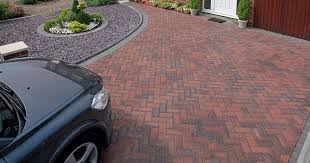
Do I Need Planning Permission for a New Driveway in Manchester?
If you’re thinking about installing a new driveway in Manchester—whether it’s block paving, resin, tarmac, gravel, or reinforced grass—there’s one question you should answer before you book the digger:
Do you need planning permission?
The good news: many driveways fall under permitted development and don’t need a full planning application. The bad news: people often get caught out by drainage rules, dropped kerbs, or living in a conservation area.
This guide breaks it down in plain English, so you can move forward confidently—and avoid costly “rip it out and do it again” situations.
(Quick note: this is general guidance, not legal advice. If you’re unsure, always check with Manchester City Council before starting.) (Manchester City Council)
When you usually DON’T need planning permission
In England, you typically won’t need planning permission for a new or replacement driveway at a house if the surface is designed so that rainwater soaks into the ground on your property rather than running into the street drains.
The Planning Portal guidance is clear: you don’t need planning permission if:
- the driveway uses permeable (porous) surfacing (for any size driveway), or
- rainwater is directed to a permeable area like a lawn or border to drain naturally. (Planning Portal)
Examples of driveway finishes that can be permeable (when installed correctly)
- Gravel (often naturally permeable)
- Permeable block paving systems
- Porous asphalt
- Resin-bound systems (not resin-bonded—different thing)
- Reinforced grass / cellular grids
The key isn’t just what it looks like on top—it’s the full build-up (sub-base, bedding layers, and how it drains).
When planning permission IS likely in Manchester
You’re more likely to need planning permission if any of the following apply:
1) You’re laying an impermeable surface over more than 5m² (front garden rule)
If the area between the front of your house and the highway is covered by more than 5 square metres of a surface that doesn’t let water through (and the water can’t drain to a permeable area), you’ll usually need planning permission.
This is the big one that catches people out, specially with concrete, traditional tarmac, and some resin installs.
2) You can’t keep water on your property (drainage/SuDS issue)
If rainwater is going to run off your new driveway onto:
- the public pavement
- the highway
- public drains
…you may need to redesign your drainage (soakaway, permeable sub-base, rain garden, etc.) or apply for permission.
There’s also government guidance on options for permeable surfacing and controlling run-off from driveways. (GOV.UK)
3) You need a new dropped kerb (vehicle crossing)
This is separate from planning permission, but just as important.
If you want to drive across the pavement legally, you typically need to apply for a dropped kerb / vehicle crossing through Manchester City Council. Manchester has a specific process, criteria, and an application window. (Manchester City Council)
Even if your driveway itself doesn’t need planning permission, the dropped kerb approval can still be required.
4) Your property is in a conservation area or is listed
If your home is listed, you may need listed building consent (and sometimes planning permission) for works that would otherwise be permitted development.
Conservation areas can also add restrictions, so it’s worth checking before you finalise the design.
5) You’re creating a brand-new access point onto the road
If your project involves creating a new access point (especially onto certain types of roads), you may need council approval and/or planning input depending on the location and highway safety considerations.
If you’re unsure, use Manchester City Council’s planning guidance/checker as a starting point. (Manchester City Council)
The rule most homeowners need to understand: “Permeable or permission”
Think of it like this:
If the driveway is in your front garden area and water can soak away on your land, you’re usually fine. (Planning Portal)
If the driveway is impermeable, covers more than 5m², and sends water to the street drains, you’re likely heading toward a planning application—unless you redesign drainage.
What about replacing an existing driveway?
Replacing an existing driveway is often permitted development too—as long as you still meet the drainage requirements.
A common mistake is swapping a tired gravel drive (permeable) for a fully sealed surface (impermeable) without adding drainage solutions. That’s when permission can become an issue.
Dropped kerbs in Manchester: what you need to know
If you don’t already have a legal vehicle crossing, you should check this early.
Manchester City Council provides guidance on what qualifies and how to apply for a dropped kerb. This matters because:
- you can’t legally drive over a standard kerb/pavement long-term
- highways rules and safety checks may limit where a crossing can be installed (Manchester City Council)
Tip: A lot of driveway delays happen because homeowners do the driveway first and then discover the dropped kerb process takes time (or isn’t possible in that spot). Start with the access question.
Other things that can trigger permission or extra approvals
Even when the driveway itself is permitted development, these related changes can require approval depending on what you’re doing:
- Removing or altering boundary walls/fences (especially if they front a highway and are above certain heights)
- Significant level changes, retaining walls, or engineering works
- Trees with a Tree Preservation Order (TPO) or work within a conservation area where trees have added protection
- Flats/maisonettes (permitted development rules are different than for single dwelling houses)
If your project includes any of the above, it’s worth checking with the council before works begin. (Manchester City Council)
A simple step-by-step checklist before you build
- Measure the area you’re surfacing (is it over 5m² in the front garden zone?) (interactive.planningportal.co.uk)
- Choose a permeable solution or plan where water will drain (soakaway/rain garden/lawn border). (Planning Portal)
- Check dropped kerb requirements and apply early if needed. (Manchester City Council)
- Check conservation/listed constraints if applicable.
- If still unsure, speak to Manchester City Council planning before you start. (Manchester City Council)
FAQs
Do I need planning permission for a driveway in Manchester?
Often no, if drainage is handled correctly using permeable surfacing or directing water to a permeable area. (Planning Portal)
What’s the 5m² driveway planning rule?
If you lay more than 5m² of an impermeable surface in the front garden area and water can’t drain to a permeable area, planning permission is usually required. (interactive.planningportal.co.uk)
Do I need permission for a dropped kerb in Manchester?
You normally need to apply through Manchester City Council for a dropped kerb/vehicle crossing. (Manchester City Council)
Where can I check the official rules?
Start with the Planning Portal driveway/front garden paving guidance and Manchester City Council planning pages. (Planning Portal)
Need help designing a driveway that ticks every box?
At Manchester Landscaping Company, we design and install driveways that look the part and meet the key drainage and access requirements—so you get kerb appeal without headaches.
If you want, we can:
- recommend the best permeable option for your property
- advise on drainage layout (keeping water on-site)
- help you understand whether dropped kerb approval is needed before you start
Get in touch for a quote (and we’ll sanity-check your plan before you spend a penny).